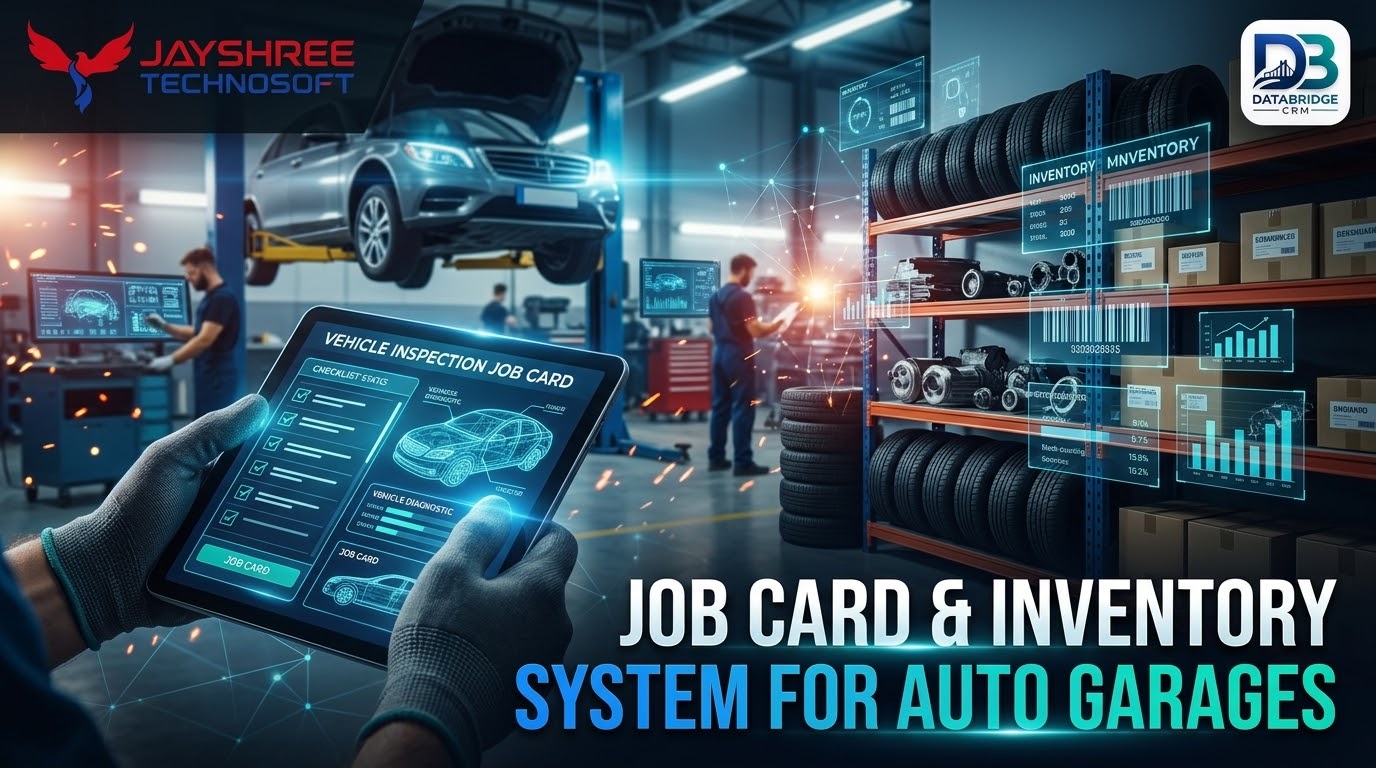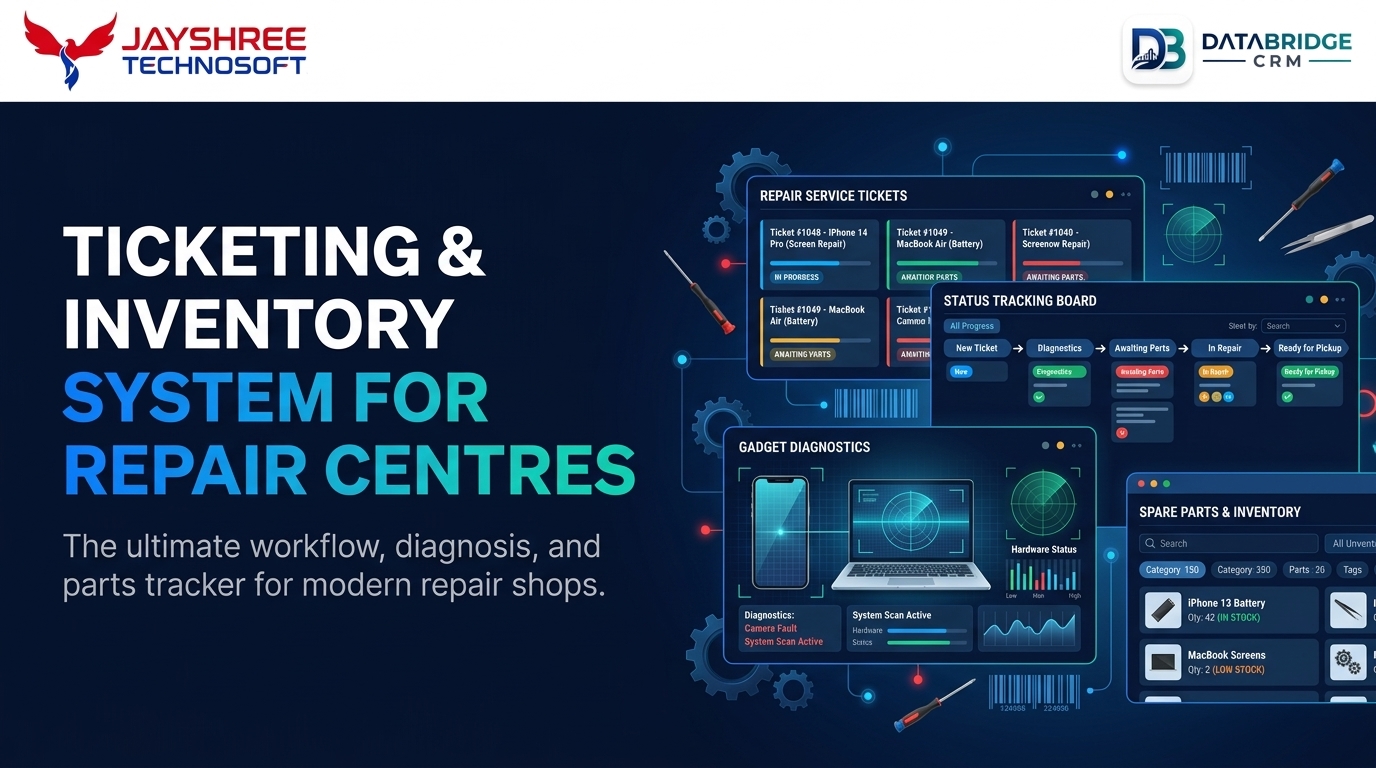
Repair centres handle many devices, parts and promises at once. Without a clear ticketing and inventory system, devices get mixed up, parts disappear and customers lose patience. This guide describes how to design repair centre ticketing system workflows with mobile repair shop software features that match real workshop needs.
Ticket Statuses That Make Sense
- Received
- Diagnosing
- Awaiting approval
- Awaiting parts
- In repair
- Quality check
- Ready for pickup
- Delivered or closed
Keep statuses simple and meaningful, so every update can trigger a customer message and a clear owner.
Device and Customer Data
- Customer contact and alternate number
- Brand, model and IMEI or serial number
- Accessories received and device condition
- Photos at intake
- Customer-reported problem
- Technician diagnosis and quote
- Warranty period and terms
Parts Inventory Design
Track part type, compatibility, supplier, cost price and selling price. Deduct parts when used on a ticket and keep reorder levels for common items such as screens and batteries. Record returns and defective items separately. Counter sales of accessories can use billing POS software India alongside repair invoices.
Technician Workflow
Assign tickets, track time per stage and show each technician's queue. Add checklists for common repairs so quality checks are consistent. Flag repeat repairs to find training needs or faulty part batches.
Warranty and AMC
Link invoices to tickets so that warranty checks take seconds. For business customers, store contracts with covered devices, visit schedules and renewal dates.
Reports and Alerts
- Open tickets by age
- Turnaround time by repair type
- Margin per ticket
- Parts usage and low-stock alerts
- Unclaimed devices
Technical Approach We Recommend
For most phone/computer service center projects, a web-based application with a clean API layer, a mobile-friendly interface and cloud hosting gives the best balance of cost, flexibility and maintenance. Keep business rules in one place, use standard integrations where possible and design the database around your real records: customers, transactions, stock, tasks and documents. Avoid building features that no user has asked for, and prefer simple, well-documented components that another team could maintain later.
Testing and Quality Checklist
- Every workflow tested with your real data and edge cases
- Role and permission checks for each user type
- Performance checks with realistic record volumes
- Mobile and browser compatibility checks
- Backup and restore test before go-live
- User acceptance sign-off by your own team
Security and Data Protection Basics
- Role-based access so each user sees only what they need
- Encrypted connections and careful password handling
- Regular automated backups and a tested restore process
- Audit logs showing who changed what and when
- Clear ownership of your data and an easy way to export it
What Affects Timeline and Cost
There is no single price, because every project differs. The main drivers are the number of modules, the complexity of business rules, the number of integrations, the need for mobile apps, the volume of data to migrate and the depth of reporting. Delivering in phases, starting with the core workflow, keeps the first investment manageable and lets real usage guide what you build next.
After Launch: Support and Improvement
Software needs care after go-live. Plan for bug fixes, security updates, small enhancements and periodic reviews of how the system matches your evolving process. A clear support arrangement, including response times and channels, matters as much as the original build.
Key Takeaways
- Focus on one area at a time: ticket statuses that make sense
- Focus on one area at a time: device and customer data
- Focus on one area at a time: parts inventory design
- Focus on one area at a time: technician workflow
- Focus on one area at a time: warranty and amc
Steady, measured improvements beat one-time big changes, so start small and review results regularly.
What to Prepare Before You Talk to a Software Company
- A one-page description of how work flows in your business today
- The three problems that cost you the most time or money
- A list of tools and data you already use
- The number of users, branches and devices
- Your budget range and ideal launch window
- A few sample documents, reports or bills you want to keep
Clear inputs lead to a more accurate proposal and a smoother project. A good vendor will also help you prioritise what to build first.
Ready-Made Option: DataBridge CRM
Not every business needs custom software from day one. DataBridge CRM (databridgecrm.com) is a ready platform for managing customers, enquiries, follow-ups, communication and reports. Many phone/computer service center businesses start with it for the core workflow and add custom modules or integrations later, which keeps the first investment manageable. Jayshree Technosoft can help you configure it, integrate it with your existing tools and train your team.
Looking for CRM or ERP Software in Jaipur?
If you are searching for CRM software Jaipur, ERP software Jaipur or CRM software for small business India, look for a partner who understands your process, not just a product demo. Local businesses in Jaipur, Rajasthan and across India benefit from clear scoping, phased delivery, practical training and responsive support after launch.
Why Jayshree Technosoft?
Jayshree Technosoft is an IT consultancy that plans, builds and implements business software around your workflow. We start with discovery, document requirements, deliver in phases and support you after launch. For marketing support alongside your software, you can also look at Suriya Advertisement. Contact Jayshree Technosoft for a free consultation.
Frequently Asked Questions
Can the system print labels for devices?
Yes, with a label printer and ticket number or barcode.
How do I track devices sent to another lab?
Use a status and vendor field with expected return date.
Can customers check status online?
Many systems provide a tracking link or messages.
Is serial number tracking necessary?
It is strongly recommended for disputes and warranty checks.
Can I try DataBridge CRM before buying?
You can request a demo at databridgecrm.com to see how the platform fits your workflow before you decide.
Have a requirement in mind? Share it with Jayshree Technosoft, or explore databridgecrm.com to see a ready platform first.